Torie Smith: Redefining Hospitality Through People, Leadership, and Human Connection
“People remember how you made them feel, long after they forget what you did.”
When the human element is missing, hospitality can become a series of transactions rather than experiences people genuinely remember. Employees may feel disconnected, leadership problems can remain hidden, and guests may leave without feeling truly welcomed or valued. The difference lies in how people are treated, heard, and made to feel, because empathy, communication, accountability, and shared responsibility can turn ordinary service into an experience that stays with them.
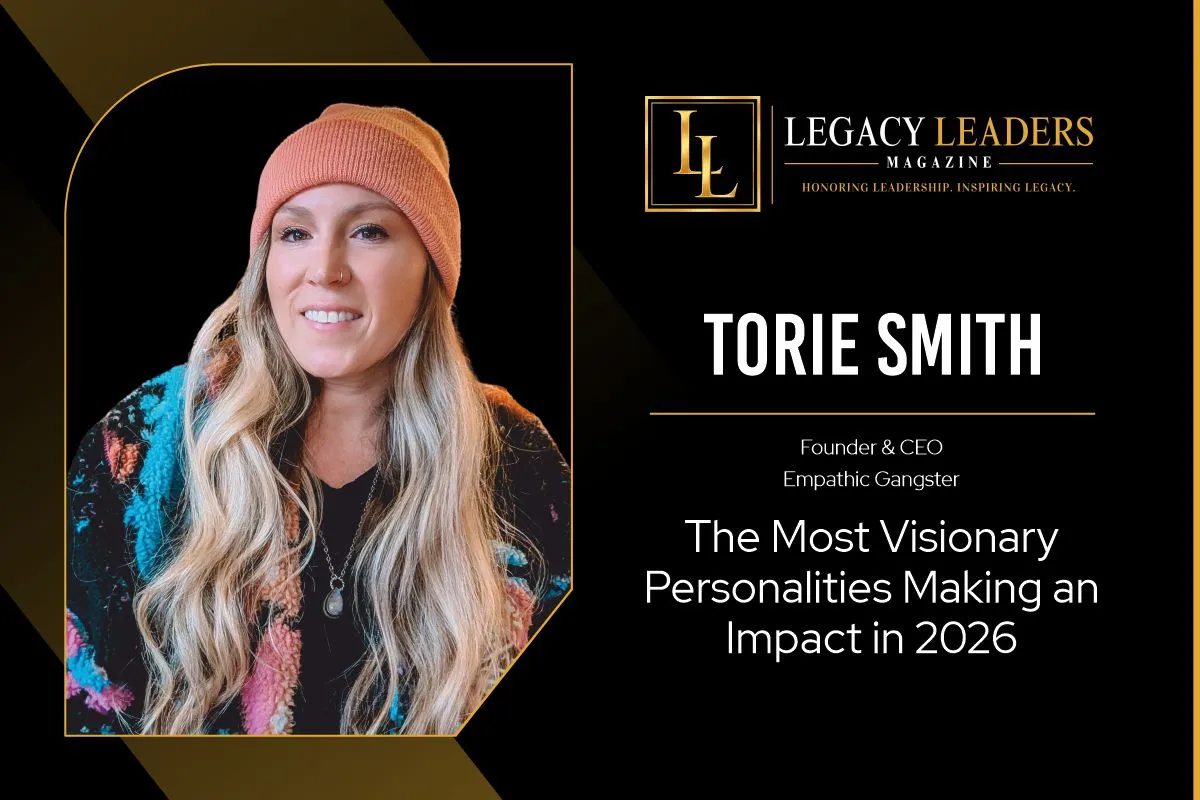
Torie Smith, Founder & CEO of Empathic Gangster®, brings more than two decades of hospitality experience to her work as a keynote speaker and leader, helping teams build stronger workplace cultures and more meaningful guest experiences. She challenges rigid workplace hierarchies, encourages shared responsibility, and brings a direct focus to the human side of hospitality.
Her perspective has been shaped by years of observing workplace dynamics and stepping into difficult environments where leadership was failing the people it was meant to support. In one defining experience, Smith listened to employees, documented their concerns about management, and brought the findings to corporate leadership, prompting a mandatory management feedback survey at the location.
That experience became a powerful example of what she stands for:
Speaking up when others are not being heard, confronting poor leadership, and creating the accountability needed for employees and guests to experience the difference.
The Compassionate Vision
Becoming a hospitality keynote speaker and building the foundation of Empathic Gangster® has been a natural progression shaped by years of experience, observation, and personal growth. Smith has always been deeply observant, paying attention to people, workplace dynamics, and the lessons found in everyday experiences. Her journey has taken her through difficult periods, unexpected turns, and challenging situations that strengthened her understanding of human behavior, self-awareness, leadership, and personal growth. Her 20 years in hospitality gave her a close look at the strengths and shortcomings of the industry, while her experiences outside of work helped her develop a broader perspective on what people need to feel supported, understood, and valued.
Smith also faced significant challenges from an early age. By the time she finished high school, she had already experienced substance abuse, eating disorders, body dysmorphia, depression, intimate relationships, AA, and therapy. While these experiences were challenging, they became part of a deeper process of understanding herself and the people around her. Her connection to nature, friendship, psychology, self-expression, and health and wellness provided balance and helped shape the values she carries into her work.
Over time, these experiences gave Smith a perspective that goes beyond traditional hospitality training. They taught her to listen closely, recognize patterns, speak honestly,
and approach difficult situations with compassion and accountability. That combination of lived experience, careful observation, and a strong desire to help others became the foundation of Empathic Gangster® and ultimately led her to the stage as a hospitality keynote speaker. Where she shares practical yet transformational perspectives on leadership, human connection, workplace culture, and the experiences that shape how people work and live.
The Story Behind Empathic Gangster®
Empathic Gangster® represents a combination of empathy and fearlessness. For Smith, “Empathic” reflects her deep sensitivity to people and her ability to understand experiences beyond what is immediately visible, while “Gangster” represents the courage to take action without taking things personally. The name came to her unexpectedly one evening and immediately felt right, eventually becoming the foundation for her work and personal brand.
After spending 10 years in hospitality, Smith experienced a sudden turning point that led her away from a venue she never expected to leave. Soon after, she began exploring what it meant to be an empath and found that much of the existing conversation focused on limitation and victimhood, which did not reflect her experience. This led her to develop her own way of understanding and expressing what she was experiencing.
She began openly sharing her experiences, perspectives, and insights, eventually spending nearly four years exploring channeling, writing, astral projection, and what she describes as a deeper understanding of life and Galactic Law. These experiences became part of the foundation of Empathic Gangster®, through which she shares her journey as an empath, entrepreneur, and human being. Her approach is built around honesty, openness, and a willingness to explore difficult questions, creating a space where people can look at themselves, their experiences, and their understanding of life from a different perspective.
Evolving Communication from In-Person to Online
Throughout her career, Smith has faced challenges that have shaped her leadership style and the way she communicates. She has always been someone people turn to for straightforward advice, honest conversations, and unfiltered perspectives. However, when she brought the same approach to the online space, she found that it was not always received in the way she intended. This experience taught her the importance of building trust first, allowing people to understand her personality, intentions, and message before sharing the full depth of her perspective.
That shift helped Smith strengthen her communication skills, develop greater professional tact, and learn when to bring forward different sides of her personality. Her experiences across more than two decades in hospitality have also given her a close view of what works, what doesn’t, and how leadership decisions affect people. She has made a habit of observing each workplace, studying its strengths and weaknesses, and identifying practices that respect people, and those that need to change. This combination of careful observation, clear communication, confidence, and compassion has shaped her ability to address difficult issues, encourage necessary change, and lead without diminishing the people involved.
Crafting Environments Where People Feel at Home
A memorable hospitality experience begins with how people feel and the care given to every detail. Guests may check in, place an order, or move through the usual steps of service, but without genuine care and connection, the experience can feel ordinary. For Smith, great hospitality means making people feel welcome, appreciated, and at home, much like greeting a longtime friend. It goes beyond completing duties or providing information. It requires warmth, genuine engagement, personality, thoughtful details, and sometimes a pleasant surprise. Most importantly, this level of care should remain consistent, whether a guest visits every day, once a month, once a year, or returns after a decade.
For Smith, creating this kind of experience starts with shared responsibility rather than rigid hierarchy. Every team member may have a different role, but each role contributes to the overall guest experience.
She believes the mindset of “that’s not my job” can quickly weaken a team, which is why everyone should be willing to:
- Step in when needed and support one another
- Communicate openly and maintain shared standards
- Take responsibility for the space and guest experience
- Notice problems rather than assuming someone else will handle them
- Go beyond assigned duties when the situation calls for it
Quality cannot rest on one person or department alone. A chef should not be the only person checking the food, a scheduling manager should not be solely responsible for team wellbeing, and housekeeping should not be left alone to notice problems in the guest environment. When everyone stays alert, holds one another accountable, and is willing to go beyond assigned duties, the entire team works better, the details are not overlooked, and guests can feel the difference.
Ending Toxic Management in Service
One experience that clearly demonstrates Smith’s work in leadership began in a hospitality business where poor management had created a difficult and unhealthy workplace. From her first day, employees and managers came to her with concerns, frustrations, and personal experiences. Smith did more than listen. She observed the workplace closely, documented recurring issues, and identified patterns in leadership behavior that were affecting morale, trust, and the team’s ability to work well together.
The situation reached a turning point when two managers revealed that six employees, including themselves, had already raised concerns with Corporate but had seen little meaningful action. Believing Smith could communicate the situation clearly, they asked her to speak up. The following day, she contacted Corporate and shared what she had observed. In response, a mandatory management feedback survey was introduced at the location, and the General Manager received failing grades across the board, giving Corporate a clearer picture of what employees had been experiencing.
Smith eventually left the business, but she did not leave the concerns behind. She sent Corporate a detailed five-page letter documenting her observations, employee concerns, specific incidents, and recurring patterns. For Smith, the experience reinforced a simple but important belief: people who care about delivering great hospitality should not have to work under leadership that undermines them. It also reflects the kind of leader she strives to be: someone who listens when people are not being heard, addresses difficult issues honestly, and is willing to speak up when respect, accountability, and basic humanity are missing.
Putting People at the Heart of Hospitality
Empathy, authenticity, emotional intelligence, and human connection are central to Smith’s approach to leadership. She believes these qualities are not separate from hospitality but are part of what makes the industry work, because people want to feel respected, heard, and valued. In her view, hospitality is moving away from outdated and unsustainable leadership practices toward workplaces built on stronger relationships, open communication, accountability, and genuine care for people. Leaders who fail to adapt to this shift risk creating environments where employees and guests feel the effects. For Smith, this is becoming an important standard for building healthier teams and better hospitality experiences.
Great Hospitality Starts with Strong Teamwork
Smith shares that the hospitality industry is moving away from rigid hierarchies and leadership styles that rely on control. Strong hospitality depends on teamwork, where every person contributes to creating a positive experience for the guest. Leaders who create fear, distance, or unnecessary hierarchy can affect team morale and, in turn, the quality of service.
For Smith, strong hospitality teams depend on:
- Trust rather than fear
- Open communication rather than unnecessary hierarchy
- Accountability balanced with support
- Personality, warmth, and genuine engagement
- Teamwork that keeps the guest experience at the center
Hospitality is ultimately about human connection. Guests come to relax, enjoy themselves, explore, and feel welcomed, so the people serving them need to bring genuine energy, warmth, and engagement to the experience. This requires more than preparation, knowledge, and efficient execution. It also requires personality, communication, attentiveness, and an understanding of how leadership affects the entire team. When leaders balance accountability with trust, teamwork, and a sense of enjoyment, employees are more engaged and guests are more likely to feel the difference.
Closely Connected to Everyday Human Experiences
“Treat people the way you would want to be treated” has always been one of Smith’s guiding principles. Whether serving others or being served, she pays close attention to how people communicate, behave, and treat one another. From the beginning of her working life, she has viewed every job as an opportunity to learn, observing what works, what does not, which standards should be upheld, and which practices need to change. Over time, this habit has given her a deeper understanding of human behavior and helped shape a leadership style built on self-awareness, accountability, and continuous learning.
Her experience as an athlete has further strengthened this approach. Smith sees successful hospitality teams much like successful athletic teams, where preparation, timing, teamwork, awareness, delegation, communication, and execution all work together. She views resilience not as the goal, but as something that develops organically through learning to perform under pressure, staying engaged, and working effectively with others. These lessons continue to influence how she supports and strengthens the teams around her.
That same curiosity extends beyond the workplace and into the way Smith develops her ideas and speaking style. She stays closely connected to everyday experiences, conversations, relationships, and different perspectives, using each as an opportunity to listen and learn.
Years of observing, writing, communicating, and working with people have helped her refine how she presents her ideas and responds to the changing needs of hospitality. Rather than presenting herself as someone with all the answers, she draws from personal experience and offers perspectives that may help others look at a situation differently. She sees her role as providing a clear reflection, giving people the space to understand themselves, find their own answers, and decide what works for them. This keeps her work grounded in real experiences, human connection, and the practical realities of leading and working with people.
Exploring Life, Identity, and the World in New Ways
Today, Smith describes her brand as a “down the rabbit hole” experience that encourages people to explore who they are, how they see the world, and what it means to be human.
Her work creates a bridge between the tangible and intangible, presenting deeper ideas in
a way that is playful, open, and approachable.
A major turning point came when Smith experienced a profound personal shift that led her into four years of channeling, reflection, and exploration. The experience changed how she understood herself, helped her break away from limiting social conditioning, and gave her a clearer perspective on life. She then began sharing what she had learned, while also finding practical ways to make those insights useful and accessible to others.
Smith’s natural openness and willingness to explore difficult questions have become central to her communication style. Over time, she also learned the importance of tact and meeting people where they are. Rather than pulling everyone into the deepest parts of her perspective, she allows people to choose how far they want to explore. For those who are ready to go deeper, she opens the door to a more expansive conversation; for others, she focuses on practical perspective shifts that can be applied to everyday life.
Learning Something from Everyone She Meets
Every person Smith has met has played a role in shaping who she is today. Smith values the lessons that come from different people, experiences, and perspectives, paying close attention to positive examples and difficult encounters. Those who have led with integrity have inspired her to grow, improve, and lead by example, while challenging experiences have taught her what she does not want to repeat and helped her develop better ways to support others.
Over time, she has learned that everyone is carrying their own story, struggles, and challenges. This understanding has strengthened her empathy while also teaching her the importance of healthy boundaries. She is willing to support people and wish them well, but she also knows when a path is not one she wants to walk again. For Smith, every relationship and experience offers a lesson, either showing her what to embrace or giving her clarity about what to leave behind.
Finding Energy in Life, Creativity, and Curiosity
Smith maintains her creativity and energy by staying curious, active, and closely connected to the things she genuinely enjoys, including friendship, art, nature, adventure, hospitality, and entertainment. She values productivity and creativity but also makes time for rest, play, self-expression, and personal well-being, creating a lifestyle that feels more like an enjoyable experience than a constant workload.
A Legacy Built on Equality and Action
Smith focuses less on the word “impact” and more on how her work can change the way people see themselves, others, and the world around them. Through Empathic Gangster®, she encourages people to embrace who they are while remembering that we are all connected as part of a larger community.
She hopes to be remembered for:
- Challenging rigid workplace hierarchies
- Valuing every person equally
- Leading by example
She wants her work to help people see the value in their own experiences, become more open to different perspectives, and approach life with greater awareness, curiosity, and connection. Rather than focusing heavily on legacy, Smith believes in creating meaningful change through the way she treats people, communicates her ideas, and demonstrates the values she believes in.
Smith’s Advice to Emerging Leaders and Hospitality Professionals
Emerging leaders and hospitality professionals should trust their heart, personality, imagination, and intuition while staying true to who they are. Rather than trying to fit into someone else’s idea of leadership, they should embrace their unique perspective and use it to shape the way they work, communicate, and lead. Most importantly, they should build teams based on trust, respect, and genuine connection, creating a workplace that feels like a supportive family and contributes to making the world a better place.