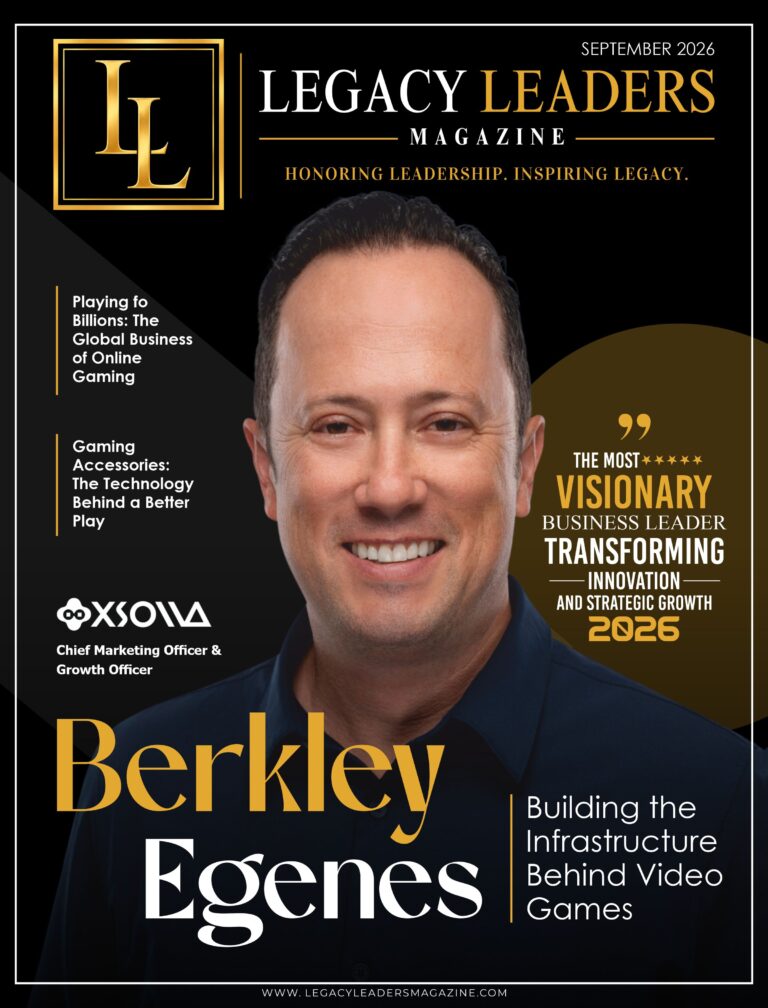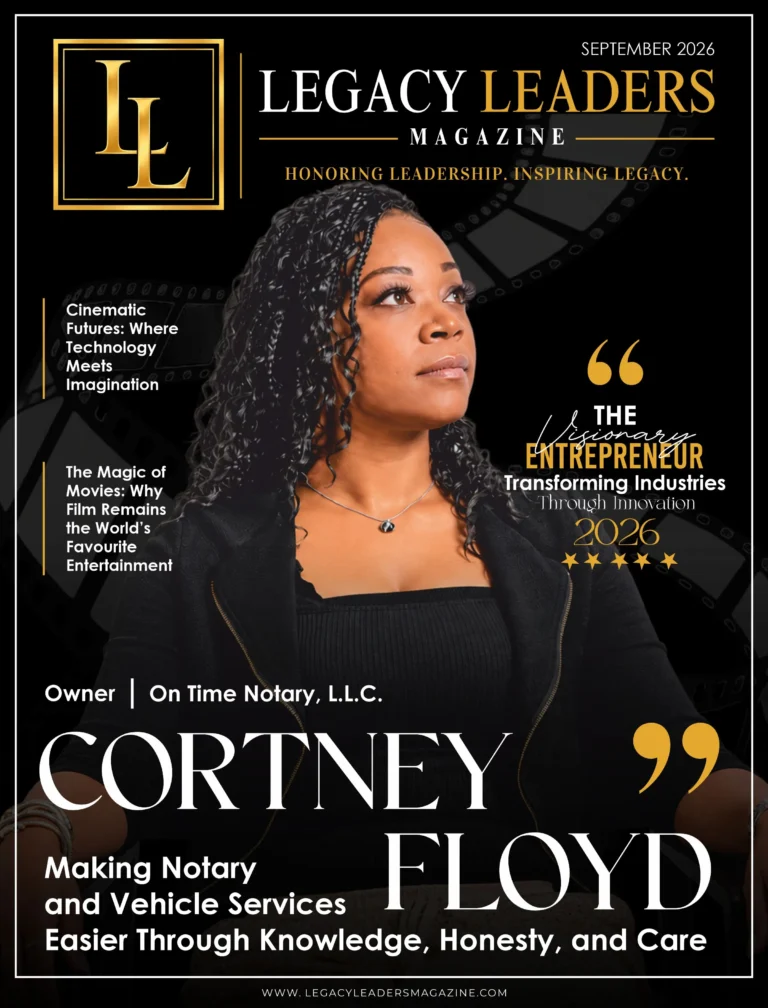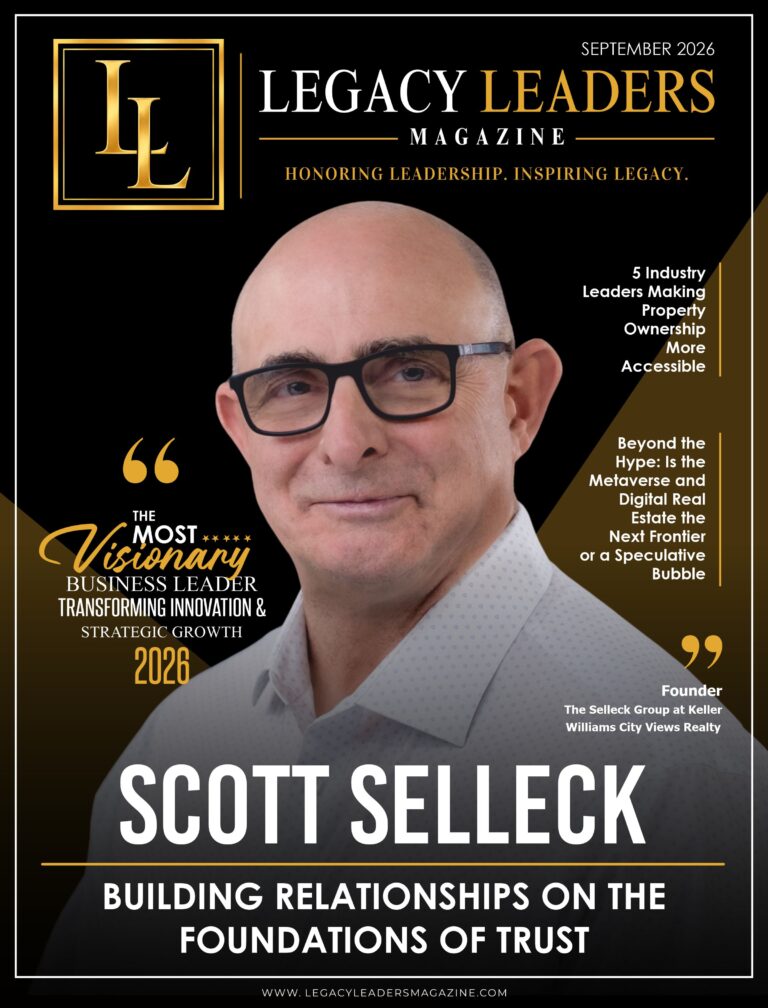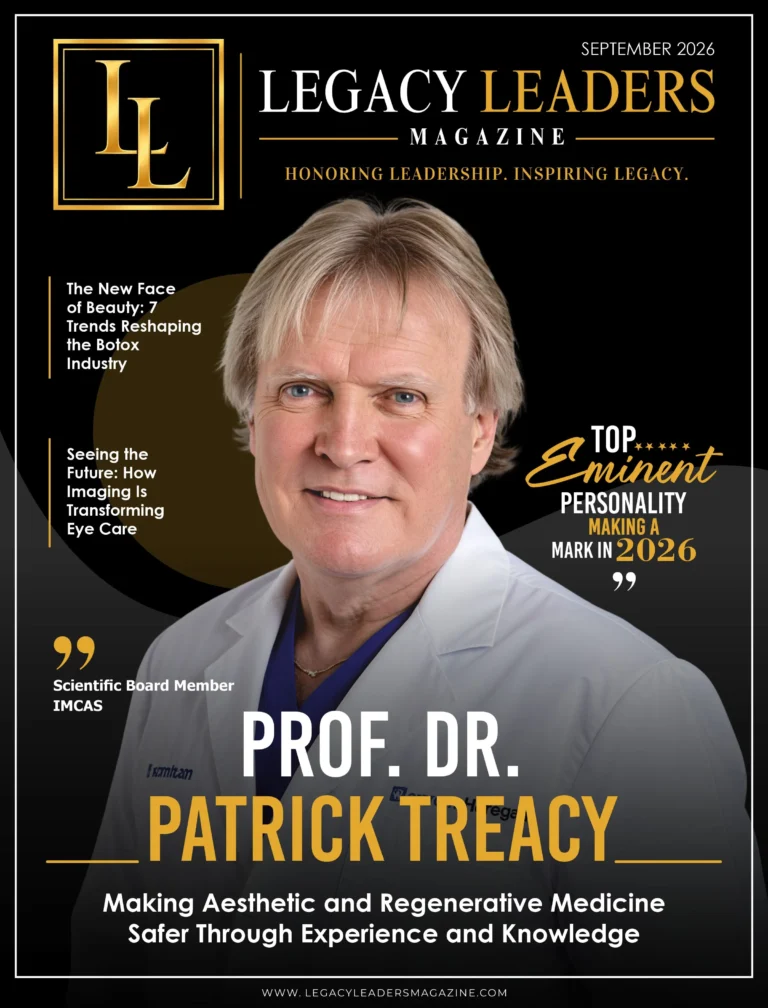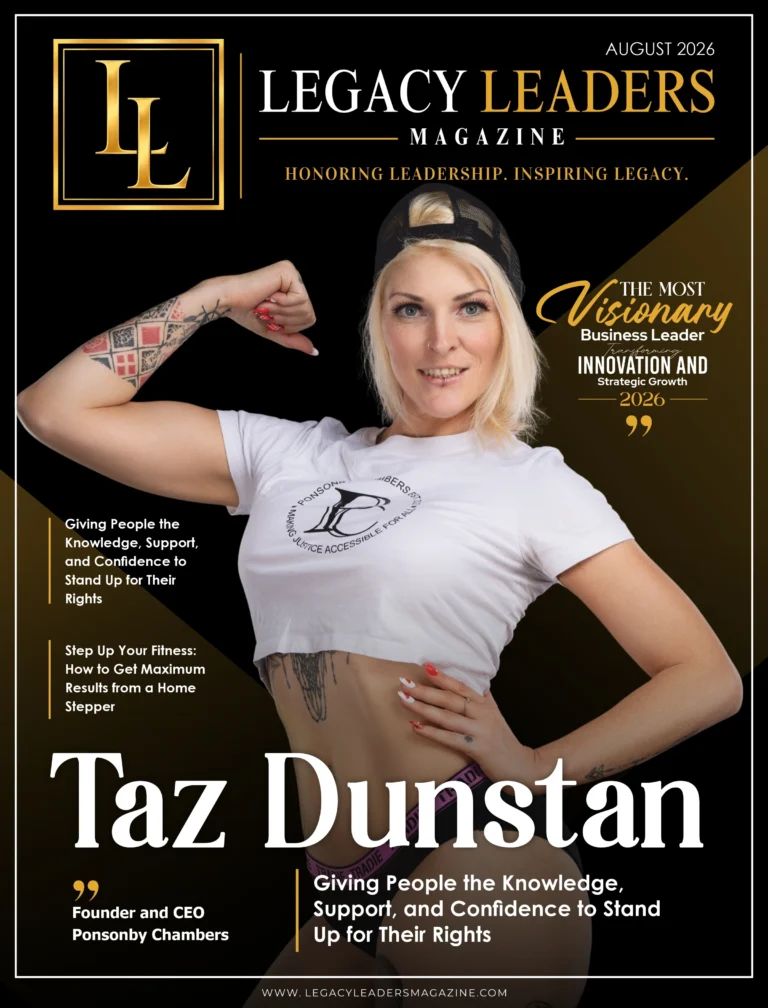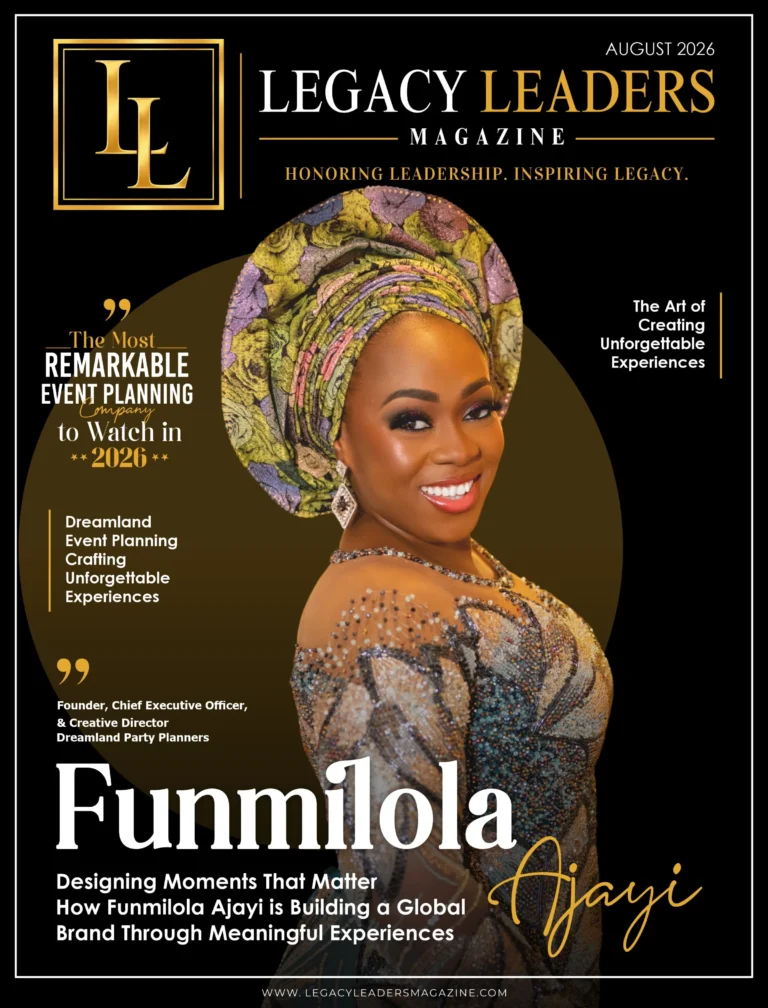
In today’s digital-first economy, a company’s reputation is closely connected to the reputation of its leadership. Customers, investors, employees, and business partners increasingly want to know the people behind a brand before deciding to engage with it. As a result, personal branding has become one of the most valuable business assets for entrepreneurs, executives, founders, and industry experts.
A strong personal brand goes beyond social media popularity. It represents credibility, expertise, authenticity, and trust. Business leaders who consistently share valuable insights and demonstrate thought leadership are more likely to attract new opportunities, strengthen professional relationships, and build long-term influence within their industries.
In 2026, personal branding is no longer optional for business leaders. It has become a strategic investment that supports business growth, enhances brand recognition, and creates meaningful connections with audiences around the world.
Why Personal Branding Matters More Than Ever
Modern consumers and business professionals prefer to connect with people rather than logos. Whether someone is launching a startup, leading an established enterprise, or building a professional career, a trusted personal brand creates confidence and encourages long-term engagement.
Business leaders who actively communicate their expertise through interviews, articles, podcasts, conferences, and professional networking platforms are often viewed as industry authorities. This visibility not only enhances their individual reputation but also increases trust in the organizations they represent.
As competition grows across every sector, authenticity has become a key differentiator. People are more likely to support leaders who share real experiences, practical knowledge, and a clear vision for the future.
Digital Platforms Are Expanding Professional Influence
Professional networking platforms, business publications, webinars, and industry events have created new opportunities for leaders to build their personal brands on a global scale. Rather than relying solely on traditional marketing, executives are sharing insights, participating in discussions, and engaging directly with their audiences.
Publishing valuable content consistently helps establish credibility while demonstrating expertise in specific industries. Over time, this content becomes a valuable digital asset that continues attracting readers, clients, investors, and business partners.
For entrepreneurs and executives, thought leadership has become one of the most effective ways to increase visibility and strengthen market positioning.
Building Trust Through Authentic Leadership
Trust remains one of the most important factors influencing business success. A well-developed personal brand allows leaders to communicate their values, leadership philosophy, and commitment to innovation.
Instead of focusing only on achievements, successful leaders share lessons learned, business challenges, and practical insights that provide value to their audience. Authentic communication creates stronger emotional connections and encourages long-term loyalty among customers, employees, and stakeholders.
Organizations led by trusted individuals often experience improved customer confidence, stronger employer branding, and increased media attention.
Personal Branding Supports Business Growth
A strong personal brand creates opportunities that extend beyond marketing. Investors often evaluate leadership credibility before funding businesses, while talented professionals prefer joining organizations led by respected executives.
Business leaders with established personal brands are frequently invited to speak at conferences, contribute to industry publications, participate in podcasts, and collaborate with other organizations. These opportunities increase visibility while strengthening both personal and corporate reputations.
As businesses continue competing in highly connected markets, leadership visibility has become a significant competitive advantage.
Common Mistakes to Avoid
Building a personal brand requires consistency and authenticity. Many professionals focus only on self-promotion without providing meaningful value to their audience. Others become inactive after a short period, making it difficult to maintain visibility.
Some common mistakes include:
- Inconsistent communication across platforms
- Sharing promotional content without educational value
- Ignoring audience engagement and feedback
- Failing to define a clear area of expertise
- Neglecting professional networking opportunities
Successful personal branding focuses on educating, inspiring, and building relationships rather than simply promoting products or services.
Looking Ahead
As digital communication continues evolving, personal branding will play an even greater role in business leadership. Customers, investors, and employees increasingly seek transparency, expertise, and authentic leadership from the organizations they support.
Business leaders who invest in developing their personal brands today will be better positioned to influence industry conversations, attract new opportunities, and strengthen long-term business growth.
Rather than being a marketing trend, personal branding has become an essential component of modern leadership and professional success.
Why It Matters
Personal branding is more than building an online presence—it is about establishing trust, demonstrating expertise, and creating meaningful professional relationships. Leaders who consistently share valuable insights and engage authentically with their audience strengthen both their personal reputation and the organizations they represent.
As businesses compete in an increasingly connected world, a strong personal brand will remain one of the most valuable assets for entrepreneurs, executives, and industry professionals seeking long-term success.