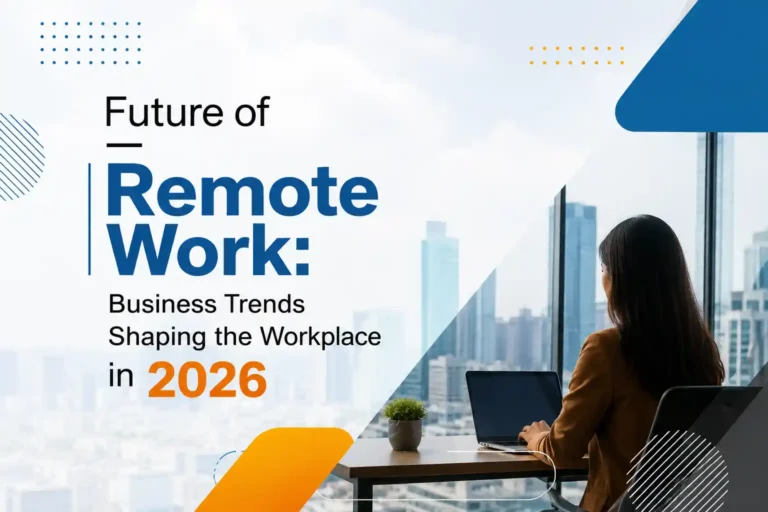
The workplace has undergone one of the most significant transformations in modern business history. What began as a temporary response to global disruptions has evolved into a long-term strategy embraced by organizations across industries. In 2026, remote and hybrid work models are no longer viewed as alternatives they have become an integral part of how successful businesses attract talent, improve productivity, and maintain operational flexibility.
Business leaders are recognizing that employees value flexibility just as much as salary and career growth. Companies that offer modern workplace policies are experiencing higher employee satisfaction, improved retention rates, and access to a broader global talent pool. As technology continues to evolve, businesses are redesigning their work environments to support collaboration regardless of physical location.
Hybrid Work Is Becoming the New Standard
Rather than choosing between fully remote or office-based work, many organizations are adopting hybrid models that combine the advantages of both. Employees spend part of their week working from home while attending the office for meetings, collaboration, and team-building activities.
This balanced approach allows businesses to reduce operational costs while maintaining company culture and improving work-life balance. Many organizations have also redesigned office spaces to support collaborative work instead of traditional fixed desks.
Digital Collaboration Is Driving Productivity
Cloud-based platforms, project management software, video conferencing, and digital communication tools have become essential to modern business operations. Teams can collaborate in real time, manage projects efficiently, and access business information securely from anywhere in the world.
Organizations are investing in digital workplace technologies that improve communication, simplify workflows, and help employees remain productive regardless of location. These tools are becoming critical for maintaining business continuity in an increasingly connected global economy.
Employee Well-Being Is a Business Priority
Remote work has changed how organizations approach employee wellness. Companies are increasingly focusing on mental health, flexible schedules, professional development, and work-life balance to create healthier and more engaged workplaces.
Business leaders understand that employee well-being directly influences productivity, innovation, and customer satisfaction. As competition for skilled professionals continues to grow, organizations that invest in employee experience are better positioned to attract and retain top talent.
Challenges Continue to Evolve
Despite its many advantages, remote work presents ongoing challenges. Maintaining company culture, protecting business data, managing distributed teams, and ensuring effective communication require thoughtful leadership and continuous improvement.
Organizations are developing clear remote work policies, strengthening cybersecurity measures, and providing managers with new leadership skills to support hybrid teams effectively.
Looking Ahead
The future of work will continue to emphasize flexibility, digital collaboration, and employee empowerment. Businesses that embrace modern workplace strategies are likely to become more resilient, innovative, and competitive in the years ahead.
Rather than replacing traditional offices, remote work is reshaping how organizations think about productivity, leadership, and organizational culture. Companies that successfully adapt to these changing expectations will be well positioned for long-term growth in an increasingly digital business environment.
Why It Matters
Remote work is no longer simply an employee benefit—it has become a strategic business advantage. Organizations that combine flexible workplace policies with strong leadership, secure digital infrastructure, and employee-focused cultures are building more productive and resilient businesses. As the future of work continues to evolve, companies that adapt early will strengthen their ability to attract talent, improve efficiency, and remain competitive in a rapidly changing global economy.